

Homes usually look fine. Fresh walls. Clean floors. Nothing alarming. Yet some residents start looking into Hillshire Village mold inspection after noticing something small that does not sit right.
A smell that shows up after rain. A ceiling corner that looks slightly darker than before. Not urgent. Just noticeable.
And that is often how it begins.
Moisture Does Not Need Drama
People imagine major leaks when they think of indoor damage. But many problems begin with very ordinary things.
Steam from daily showers. A slow drip under the sink. Warm attic air that does not escape properly. Moisture builds quietly. It lingers in drywall and insulation longer than expected.
Sometimes it dries out naturally. Sometimes it does not.
There is no fixed timeline. That uncertainty makes it tricky.
What An Inspection Really Involves
It is not someone walking in and glancing at walls.
A proper evaluation may include:
- Checking humidity levels in several rooms
- Using meters to detect hidden damp areas
- Inspecting attic airflow
- Looking around plumbing lines and window frames
These steps help identify conditions that are not obvious.
Because surface appearance can be misleading.
Why Testing Brings Clarity
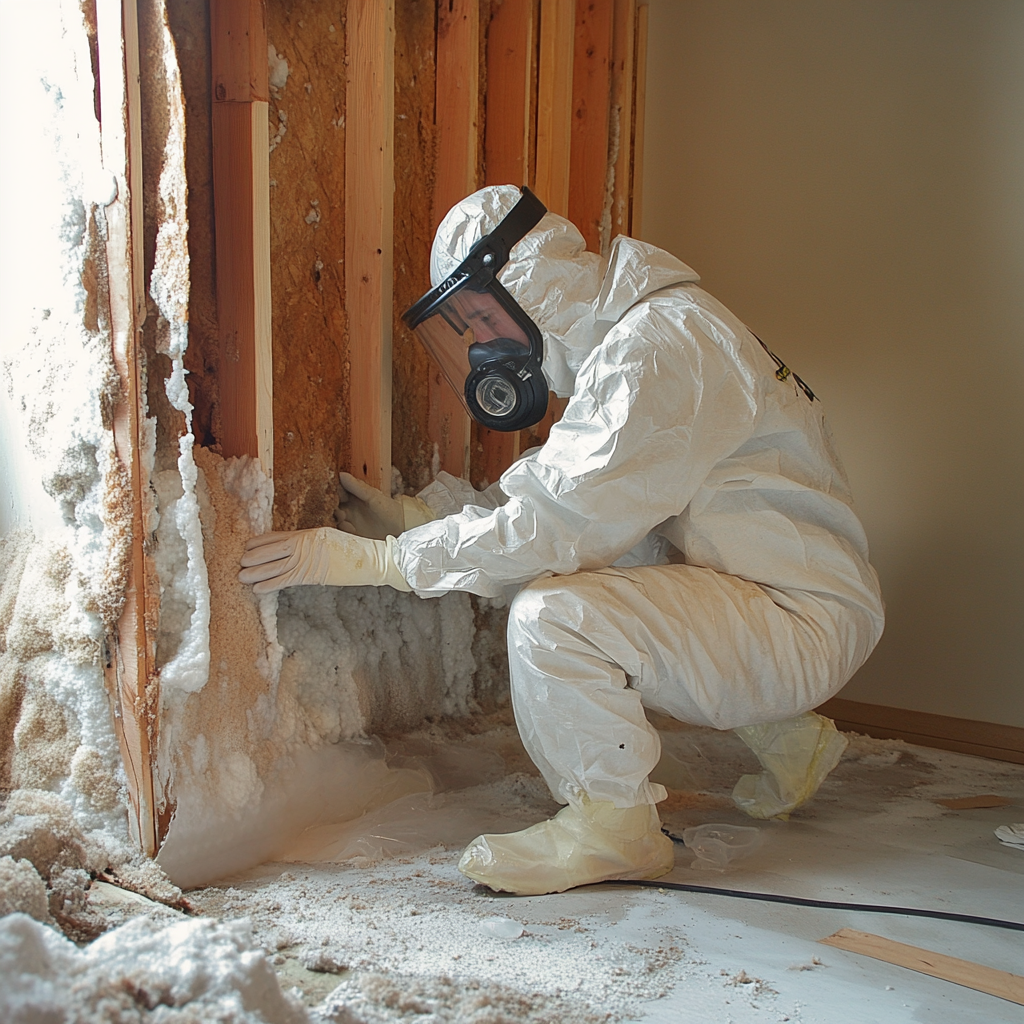
When something looks suspicious, guessing does not help much. Air sampling measures what is floating indoors and compares it with outside levels. Surface sampling confirms what may be present on materials.
Some homes only need visual confirmation. Others benefit from lab results to understand the extent.
It depends.
And that word matters. Every property is slightly different.
When It Might Be Time To Check
You may want evaluation if:
- A musty odor keeps returning
- There was recent plumbing repair
- Paint begins bubbling in one area
- Indoor air feels heavier in certain rooms
Waiting is common. Many people do it. Sometimes nothing worsens. Other times, hidden areas continue absorbing moisture quietly.
No loud warning. Just gradual change.
Keeping Conditions Stable
After testing, the focus usually shifts to airflow and moisture balance.
Opening windows during dry weather helps. Running exhaust fans longer than usual can make a difference. Fixing even minor leaks right away prevents buildup.
Small adjustments feel simple. But they add up over months.
For residents who want measurable answers instead of assumptions, arranging Hillshire Village offers a way to understand what is actually happening inside walls and ceilings. Knowing the numbers makes decisions easier.
Homes should feel steady. If something feels slightly off, even without visible damage, paying attention early can prevent larger repairs later on.